
When Do You Need Footings for a Pergola… and When Can You Surface Mount?
Pergolas are one of the best upgrades you can make to a backyard. They add shade, create a defined outdoor space, and make a patio feel “finished.” But before you get too far into design and materials, there’s one decision that matters more than most people realize:
Are we pouring footings, or can we surface mount it?
At HUGE Handyman, we get this question all the time. And the truth is, there isn’t one universal answer. The right method depends on the structure, the location, the load, and what you’re mounting to.
Here’s the simple breakdown.
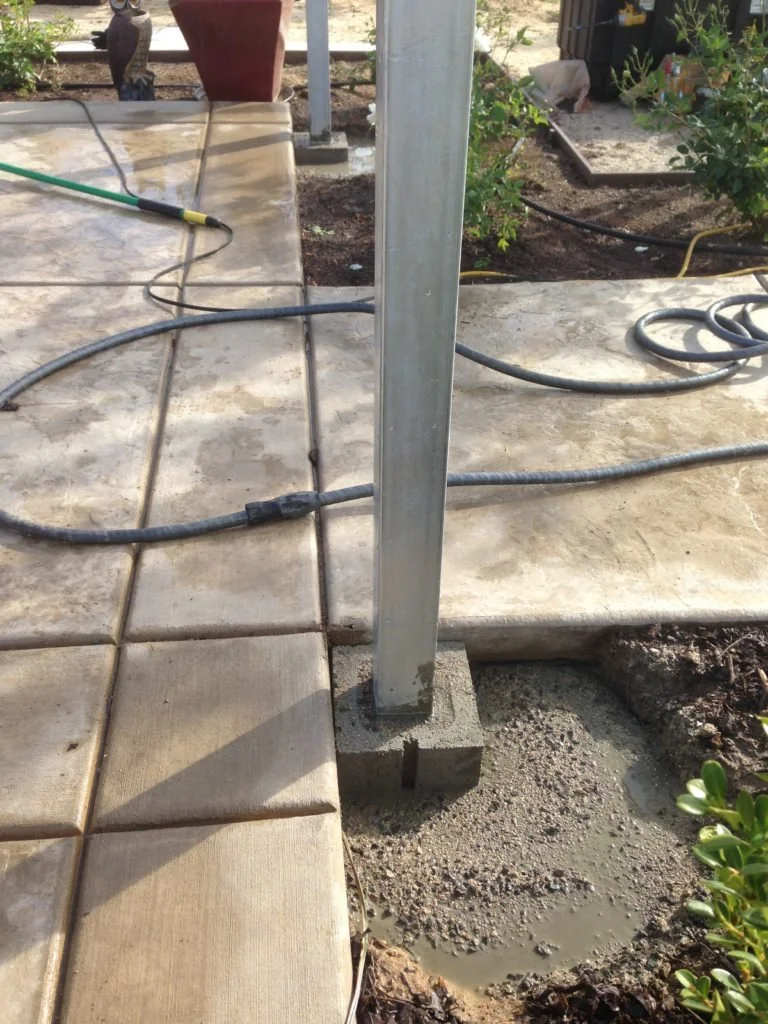
What footings actually do
Footings are concrete foundations below grade that anchor the pergola posts into the ground. Their job is to keep the structure stable over time and prevent movement from wind, shifting soil, or uplift. If you want the most secure long-term option, footings are usually it.
When you usually need footings
If your pergola is freestanding (not attached to the house), footings are often the safest choice. The structure has to resist racking and movement on its own, especially during wind events. Footings are also a strong option when the pergola is larger, taller, or built with heavier materials like thick lumber or engineered beams.
Footings also make sense when the pergola is going over dirt, landscaping, decomposed granite, or any surface that isn’t a reinforced slab. In those cases, surface mounting isn’t even an option because there’s nothing solid enough to anchor into.
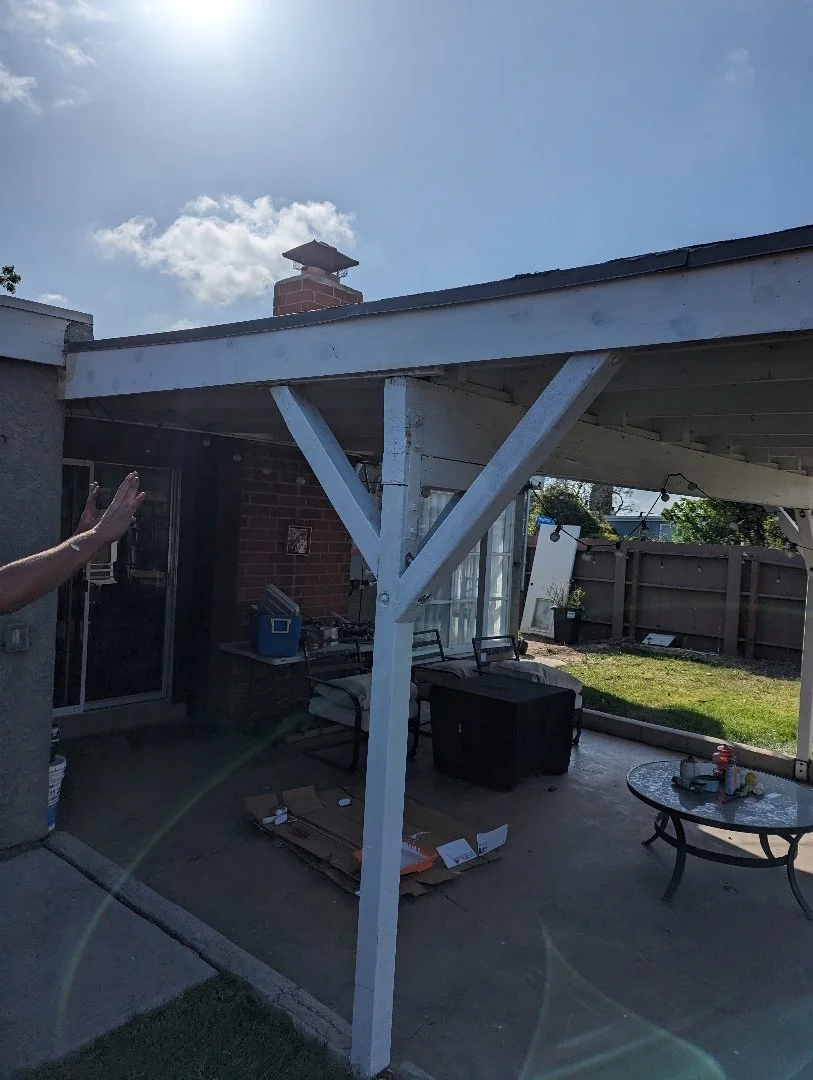
When surface mounting can be a good option
Surface mounting means attaching the pergola posts to an existing hard surface, usually concrete, using post bases and concrete anchors. This can be a great option when you have a solid slab that’s in good shape and thick enough to support the structure.
Surface mounting is commonly used for pergolas built on patios, pool decks, or existing concrete pads where the goal is to avoid cutting concrete and digging holes. It’s often faster, cleaner, and less disruptive than pouring new footings.
The biggest factor: what are you mounting into?
This is where most pergola projects go wrong. People assume “concrete is concrete,” but not all slabs are created equal. Some patios are thin, cracked, or floating. Some have poor reinforcement. Some are sloped in ways that make mounting tricky.
A surface-mounted pergola can be strong, but only if the slab is appropriate and the anchors are installed correctly. If the slab is too thin or compromised, the pergola may shift, loosen over time, or fail under stress.
Wind matters more than people think
Even in San Diego, wind loads can be a real issue depending on the location and how exposed the yard is. Pergolas catch wind like a sail, especially if they have shade panels, louvers, or privacy walls.
Footings give you more resistance to uplift and movement. Surface mounting can still work, but the hardware and anchoring need to be sized correctly for the structure.
How we decide the right approach
At HUGE Handyman, we look at a few simple things before recommending footings vs surface mount: the pergola size, whether it’s attached or freestanding, the condition and thickness of the slab, the exposure to wind, and how permanent the client wants the structure to be.
Sometimes surface mounting is perfectly fine and makes the most sense. Other times, footings are the only way we’d feel comfortable putting our name on it.
If you’re planning a pergola project in San Diego and you’re not sure which direction to go, reach out. We can take a look at the space, talk through the options, and help you build it the right way from the start.