4 Things to Watch Out For When Buying a Flip
Buying a flipped home can feel like the best of both worlds. It looks clean, updated, and move-in ready without the time and stress of managing a remodel yourself.
But here’s the truth: not all flips are created equal.
Some are done by skilled teams who care about the work behind the walls. Others are done fast, with the focus on making it look good in photos. And the frustrating part is that the problems don’t always show up during a quick walkthrough.
At HUGE Handyman, we’ve been called in plenty of times after the purchase to fix issues that were missed early on. If you’re buying a flip (or even considering one), here are four things worth paying attention to before you commit.
Uneven floors
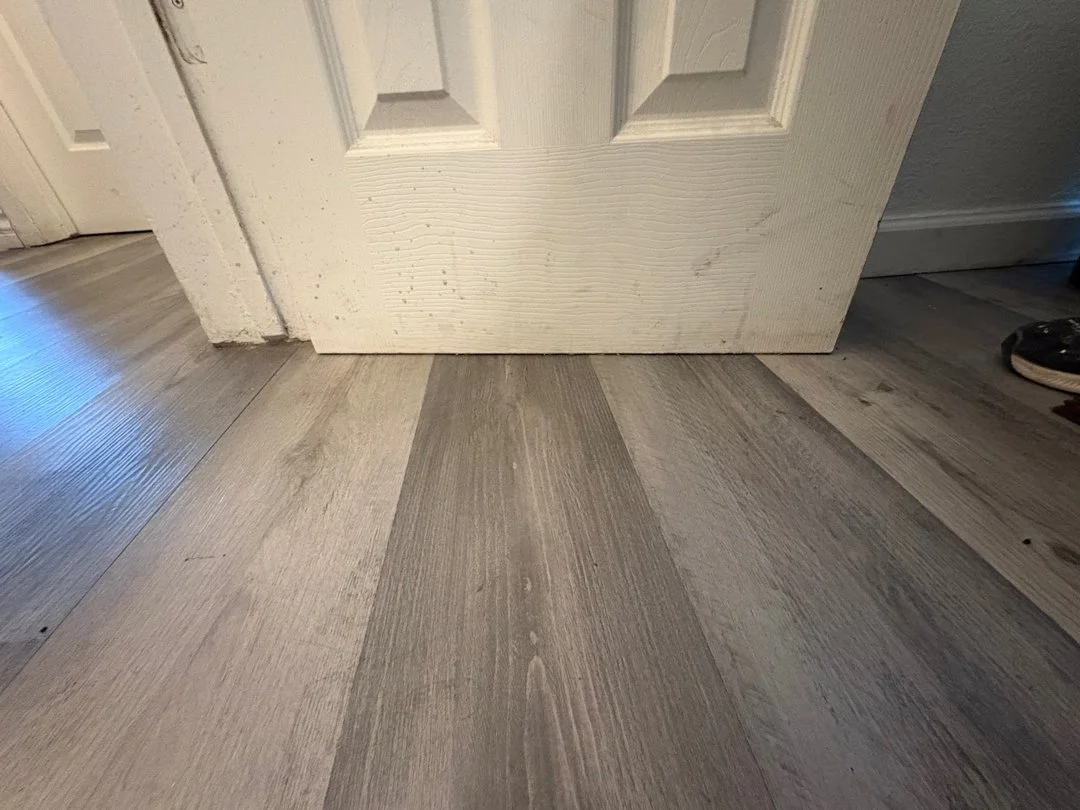
Uneven floors are one of the biggest red flags because they can mean a lot of different things. Sometimes it’s a simple subfloor issue from an older home. Other times it can point to settling, framing movement, or previous water damage that weakened the structure over time.
A flipped home might have brand-new flooring installed on top, which makes everything look fresh, but it doesn’t always solve the underlying problem. If the floor feels sloped, bouncy, or “wavy” as you walk through, that’s worth taking seriously. Pay attention near transitions, doorways, and along walls, because those areas tend to reveal the most.
Unsealed tile
Tile looks great in a flip because it instantly makes a kitchen or bathroom feel modern. The problem is that tile work can be done quickly and still look fine at first, even if important steps were skipped.
Unsealed grout can absorb moisture, stain easily, and break down faster than it should. In showers especially, this can lead to musty smells, discoloration, and long-term water issues behind the tile. Even outside of showers, unsealed grout on floors can start looking dirty and uneven fast, and it becomes difficult to clean no matter how much you scrub.
Tile should feel like a long-term upgrade, not something you’re already worrying about a few months after move-in.
Doors and windows that don’t operate smoothly
This is one of the easiest things to test during a walkthrough, and it can tell you a lot about the quality of the work.
Doors should latch smoothly without needing to be slammed. They shouldn’t rub the floor, stick in the frame, or swing open on their own. Windows should open, close, and lock properly without forcing them.
When doors and windows don’t operate correctly, it’s sometimes just a simple adjustment. But it can also be a sign that things weren’t installed carefully, trim work was rushed, or the house has movement that wasn’t addressed. These are the kinds of issues that seem minor at first, but they add up quickly when you have multiple doors that don’t shut right or windows that don’t seal well.
Fresh paint hiding water damage or rushed drywall work
Fresh paint is one of the most common “flip upgrades,” and it makes a home feel new immediately. But paint can also cover a lot of problems.
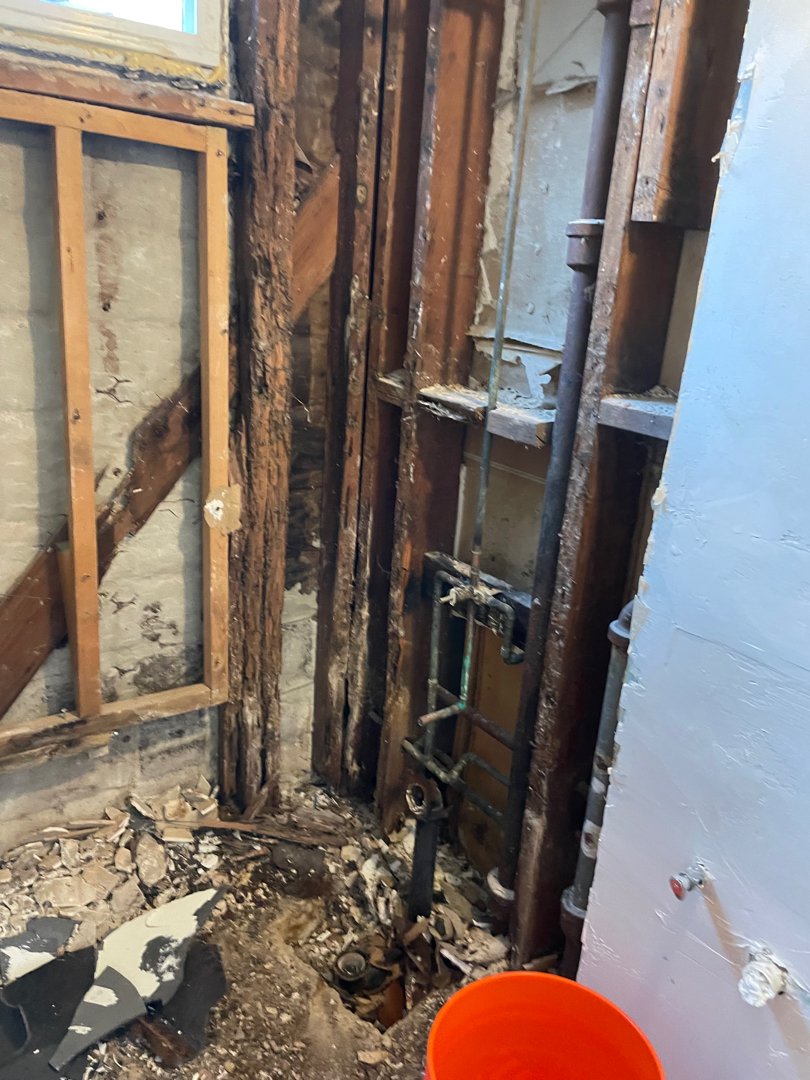
Water stains, soft drywall, bubbling texture, and rushed patchwork can all disappear under a fresh coat. The issue is that if moisture is still present, or the repair wasn’t handled correctly, those problems usually come back.
Pay attention to baseboards, especially near bathrooms, kitchens, and exterior walls. Look for areas that feel slightly soft, swollen, or uneven. If you notice a musty smell in one room or staining that looks like it was “painted over,” it’s worth getting a closer look before you move forward.
A clean paint job is great. A paint job that’s hiding damage is a headache.
If you’re buying a flipped home, the goal isn’t to be paranoid — it’s to be informed. A good flip will hold up and feel solid. A rushed flip will start showing cracks quickly, and the cost of fixing those issues usually falls on the new owner.
If you’re in San Diego and want a second set of eyes on a home before you buy, or you already bought one and you’re noticing things that don’t feel right, reach out to HUGE Handyman. We’ll help you identify what’s normal, what’s a concern, and what it’ll take to fix it the right way.