How Good Is Your Tile Installer? What Separates a Professional From a “Looks Good For Now” Install
Tile is one of those trades where the finished product can look amazing… even when it’s done wrong.
That’s not meant to scare anyone — it’s just the reality of tile. The part you see is only the finish. The part you don’t see (prep, waterproofing, and bonding) is what determines whether it lasts for years or starts failing early.
At HUGE Handyman, we work around tile constantly — bathrooms, showers, backsplashes, floors, and repairs. And we’ve seen the difference between a true tile professional and someone who’s just trying to get it done fast.
Here are a few things that separate the good ones from the bad ones.
Tile is a system, not just a surface
Tile isn’t waterproof on its own. Water can pass through grout lines and corners over time, especially in showers. A good installer treats the job like a complete system, making sure the layers underneath are built correctly so the tile isn’t hiding future problems.
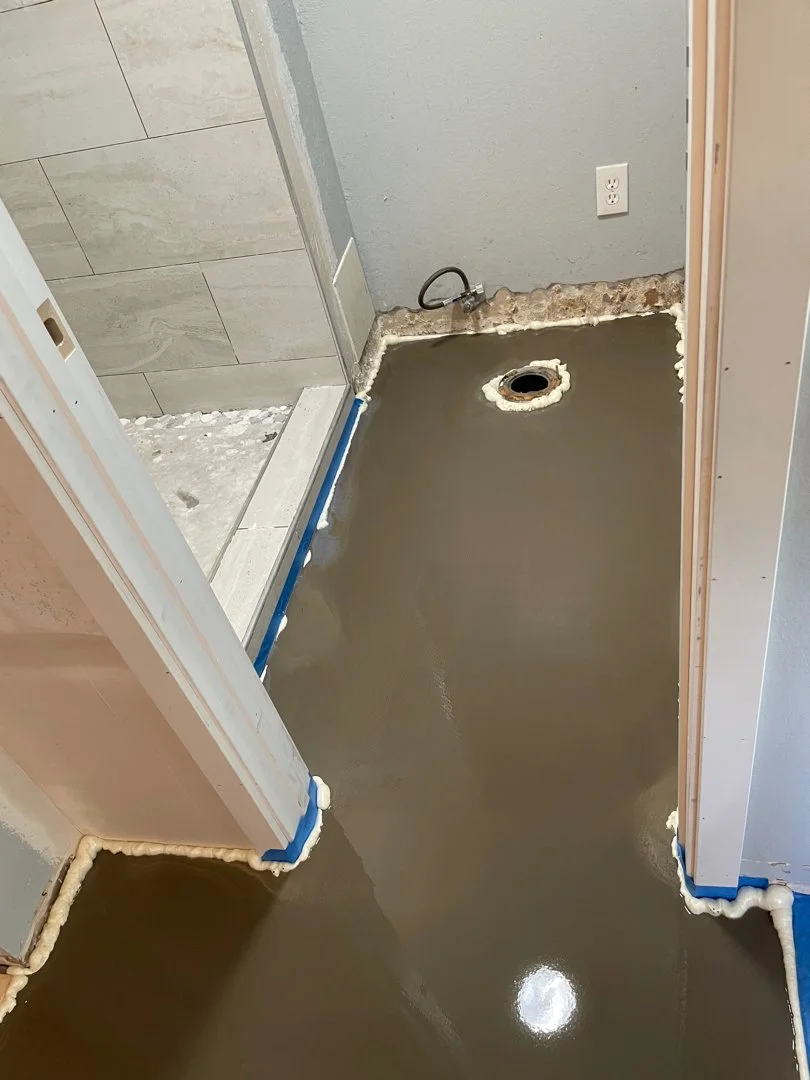
Prep work matters more than the tile you pick
Even the nicest tile won’t look good if it’s installed over uneven surfaces. A great installer makes sure walls are flat, floors are stable, and corners are properly squared up before setting anything. This is what prevents uneven edges, crooked lines, and grout cracking down the road.
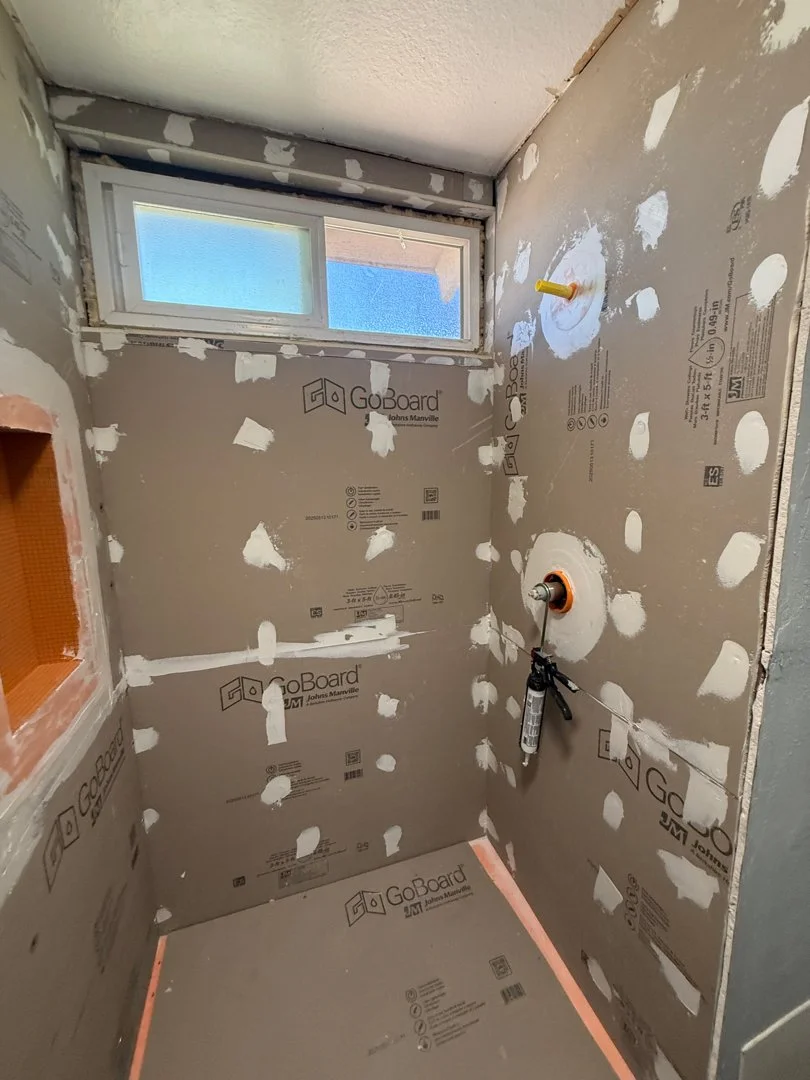
Waterproofing is what protects your home
A shower doesn’t fail because the tile looks bad — it fails because water gets behind it. Proper waterproofing at seams, corners, niches, and around plumbing is what prevents long-term moisture damage. If waterproofing is rushed or skipped, you may not notice until months later when stains, smells, or swelling materials show up.
Bonding and coverage prevent hollow spots and loose tile
When tile is installed with poor thinset coverage, it can sound hollow, loosen over time, or lead to cracked grout. Skilled installers focus on strong adhesion and full contact behind the tile, often using techniques like back-buttering when needed. This is especially important with larger tiles, which require more precision to install correctly.
Layout is what makes it look “high-end”
Clean lines, consistent spacing, and cuts that look intentional don’t happen by accident. A good installer plans the layout so the tile feels balanced and professional from the moment you walk in. This avoids awkward sliver cuts, uneven grout joints, and patterns that drift out of alignment.
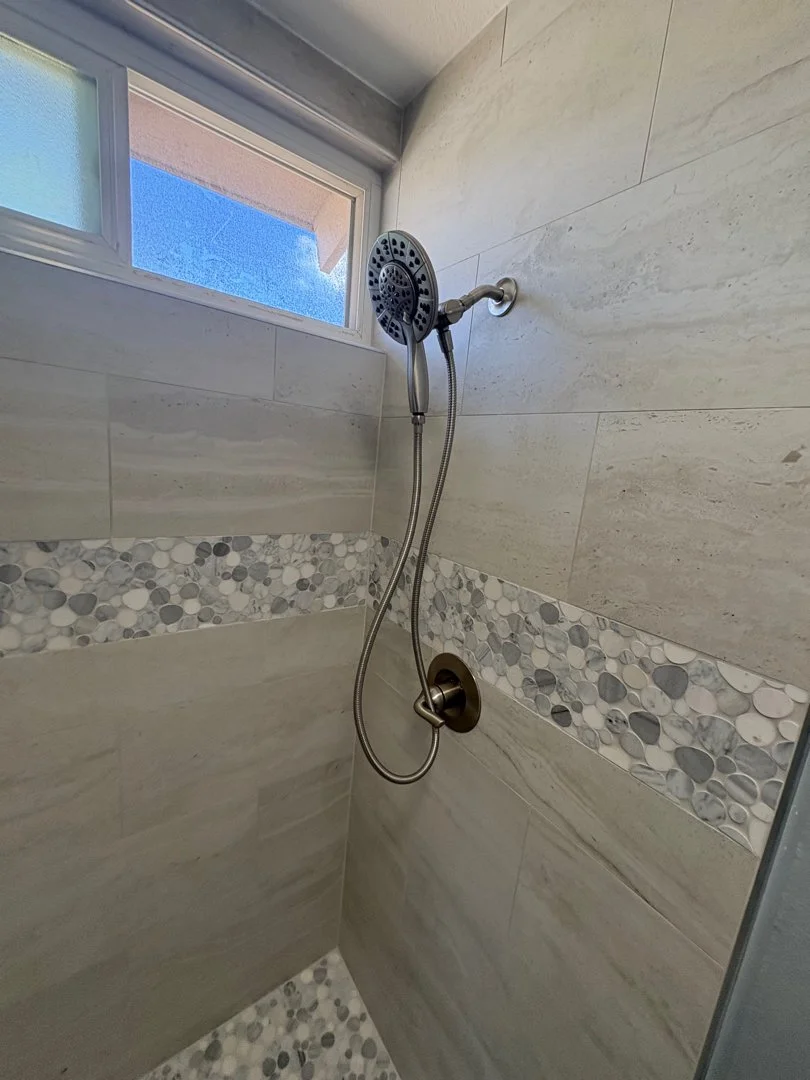
Grout and sealing are the finishing details
Grout should look consistent, clean, and evenly packed — not patchy or wavy. A quality installer also chooses the right grout for the application, since the wrong type can stain or crack prematurely. Sealing can help reduce staining in some cases, but it doesn’t make tile waterproof and it won’t fix a bad install underneath.
If you’re investing in tile, the goal is simple: do it once, and do it right.
If you’re in San Diego and want a tile job that looks great and holds up long-term, reach out to HUGE Handyman. We’ll walk you through the process and make sure it’s done correctly from the start.