SharkBite Fittings: What They Are (and Why They’re Not a Permanent Fix)
A SharkBite fitting is a push-to-connect plumbing connector designed to join pipe without soldering, glue, or crimping. You cut the pipe, push the fitting on, and it seals internally.
They’re popular because they’re fast, they’re sold everywhere, and they feel like a miracle solution when you’re staring at water dripping into your cabinet.
And to be fair—they can stop a leak quickly.
The issue is that stopping a leak quickly isn’t the same thing as creating a repair you can trust for the next 10–20 years.
Why SharkBites Aren’t a Permanent Fix
There are a few reasons we treat SharkBite's differently than a traditional plumbing connection, especially when the fitting is hidden behind drywall, cabinetry, or flooring.
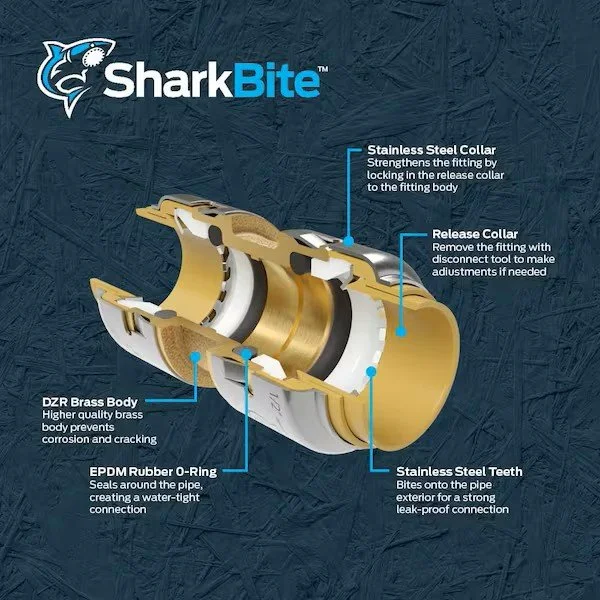
First, SharkBites rely on an internal rubber O-ring to create the seal. Rubber components can degrade over time. They can dry out, shift, or wear down depending on water chemistry, pressure, and temperature changes.
A soldered copper joint or a properly crimped PEX connection doesn’t depend on a rubber seal in the same way. That’s one reason professionals tend to trust traditional connections more for long-term reliability.
Second, pipe preparation matters more than most people realize. SharkBites are marketed as “easy,” but they only seal correctly if the pipe is cut clean, inserted fully, and free from burrs, corrosion, scratches, or debris.
We’ve seen situations where the fitting held for weeks or months, then started leaking later because the pipe wasn’t seated all the way, or because the cut wasn’t perfectly square.
That’s the worst kind of leak—the one that doesn’t show up immediately.
Third, they’re often installed in places where they shouldn’t be. A SharkBite under a sink that stays visible and accessible is one thing. A SharkBite behind drywall is a different story.
If a hidden connection fails, it doesn’t just create a puddle. It can soak insulation, swell baseboards, damage cabinetry, and require drywall removal and texture/paint repairs to access it.
And in San Diego, even a “small” plumbing leak can become expensive fast when it spreads into finished materials.
Finally, SharkBites don’t love movement. Pipes shift slightly over time from vibration, temperature expansion, and minor settling. Under sinks, they also get bumped constantly by cleaning supplies, trash bins, and storage items.
Traditional plumbing connections are designed to handle these conditions long-term. SharkBites can handle some movement too, but they’re less forgiving when the pipe isn’t supported well or when the fitting becomes a stress point.
Signs a SharkBite Repair Might Be a Problem
If you already have SharkBites in your home or in a unit you manage, that doesn’t mean you need to panic. But it does mean you should be aware of what to watch for.
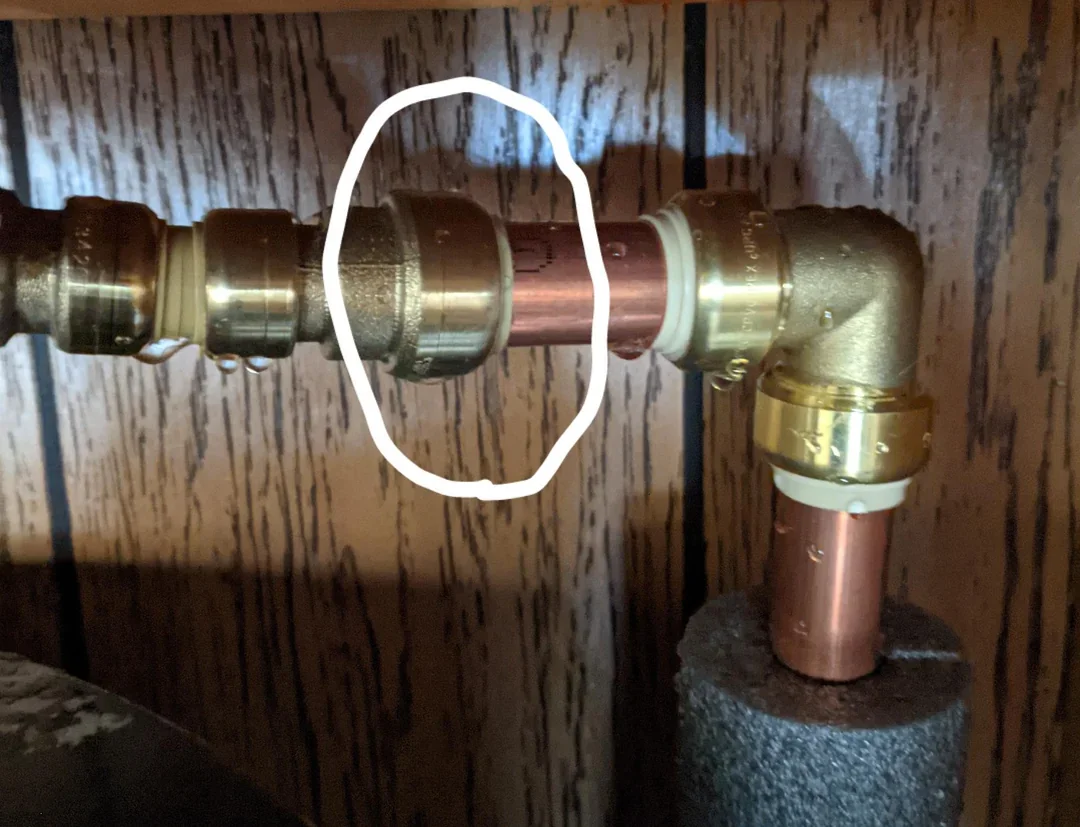
Some of the most common signs include slow moisture under a cabinet, swelling around the bottom of a vanity, musty smells near a wall, or recurring water stains that “randomly” come back even after drying.
Sometimes the leak is obvious. Other times it’s subtle, and the first sign is damage to drywall, flooring, or baseboards.
How We Address It
At HUGE Handyman, we don’t just stop the drip and disappear. We look at the full situation and make sure the repair is something you can trust.
That usually means confirming what pipe type is present, checking the location of the fitting, and determining whether it’s exposed and accessible or buried in a risky spot.
If it’s an emergency situation and the goal is to restore water quickly, a SharkBite can be a temporary solution. But if the repair needs to be permanent, we typically recommend replacing the connection with a long-term method that matches the system—whether that’s a proper PEX connection, a soldered copper repair, or replacing the damaged section entirely.
And if the leak has already caused drywall damage, cabinet swelling, or texture issues, we can handle that too. The goal is to solve the problem once, not keep revisiting the same spot every few months.
What to Do If You Suspect a “Temporary Fix” Is Hiding a Bigger Issue
If you have a SharkBite fitting in a visible location, the best move is to check it occasionally and make sure it stays dry and secure.
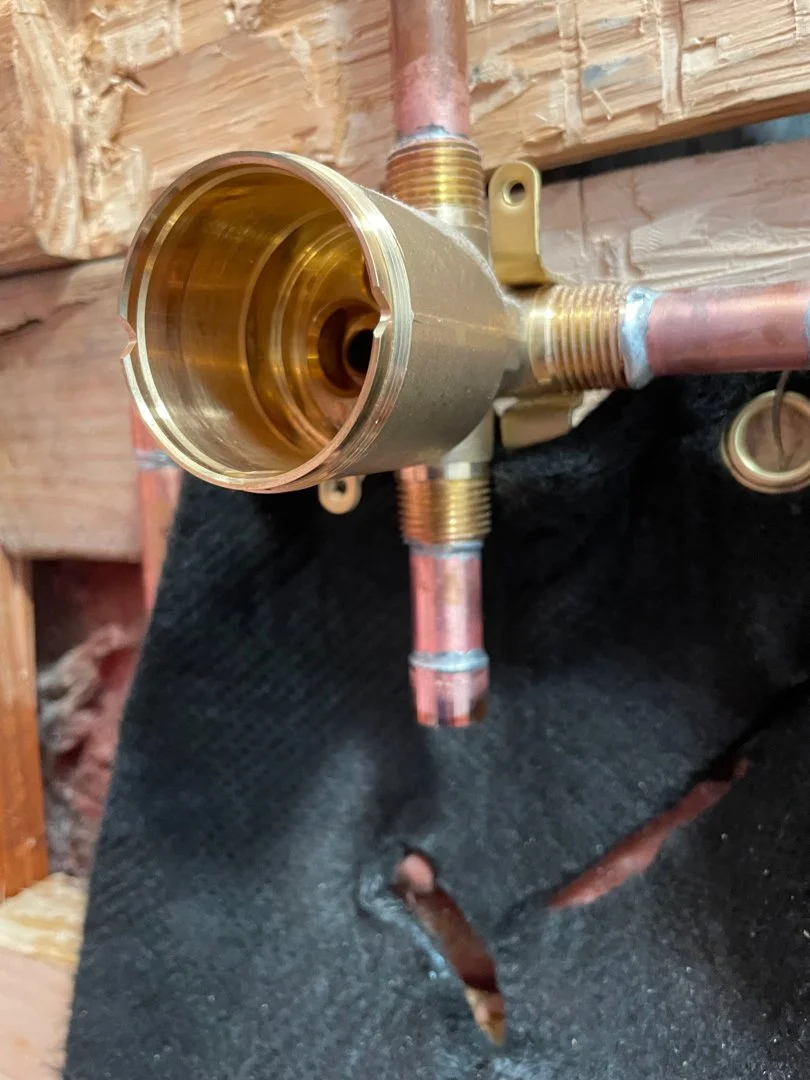
If the fitting is behind a wall, under flooring, or anywhere you can’t easily access, it’s worth having it evaluated. The risk isn’t just the fitting itself—it’s the cost of what happens if it fails out of sight.
A small proactive repair is almost always cheaper than a water damage restoration project.
If you’re not sure what you’re looking at, we’re happy to help. Even a quick photo can usually tell us whether it’s something that should be upgraded or if it’s acceptable where it is.
🛠️ The HUGE Handyman Difference
We’re big believers in doing things clean, correctly, and with great communication. Plumbing repairs aren’t just about stopping water—they’re about preventing damage and protecting the home.
If you have a leak repair that feels questionable, or a “quick fix” that’s buried behind drywall, reach out. We’ll assess it, explain your options, and help you get to a solution you don’t have to worry about.