
When Ground Level Is Higher Than the Floor
The Job: Mysterious Water Damage, No Plumbing Involved
We recently got called out to a home where the client was seeing moisture and water damage on an interior wall. Understandably, their first guess was a plumbing issue—but once we arrived, there was no plumbing inside. No pipes. No fixtures. Just a wall that was slowly soaking in water.
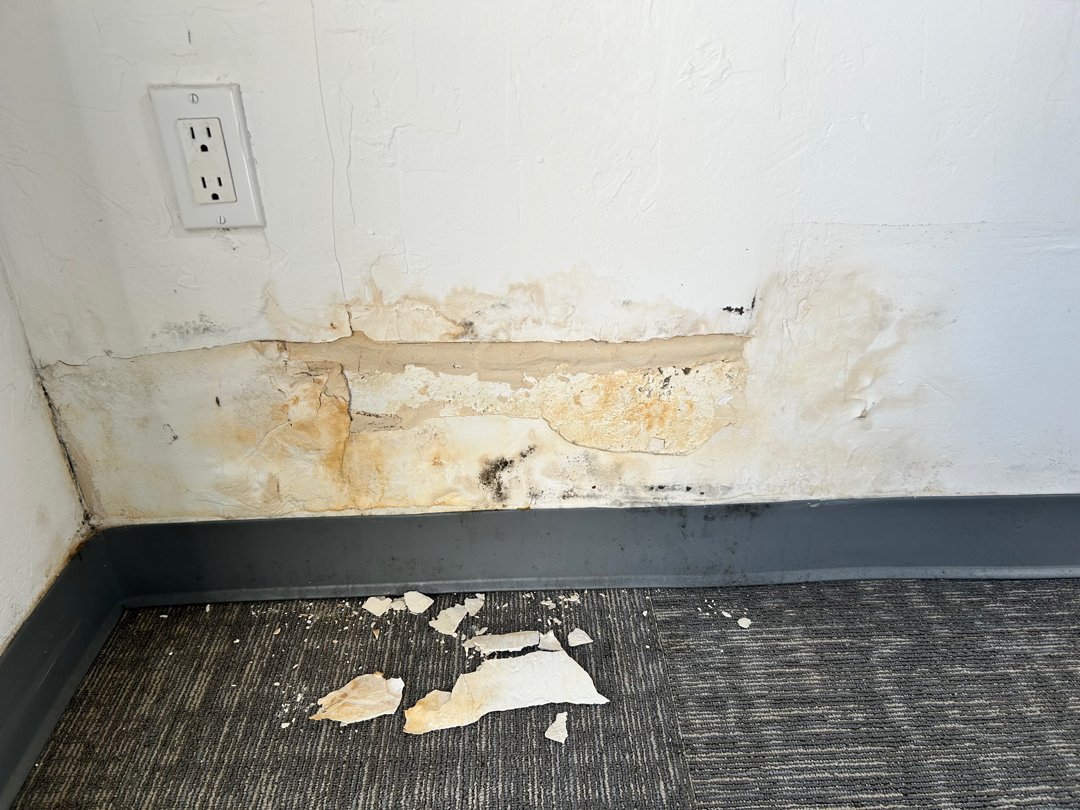
What we found wasn’t a leak—it was a landscaping issue.
when the Ground Outside Is Too High
On inspection, we noticed that the exterior ground level was above the height of the interior floor. In this case, the soil and mulch outside had built up over time—either through poor drainage design or years of landscaping updates.
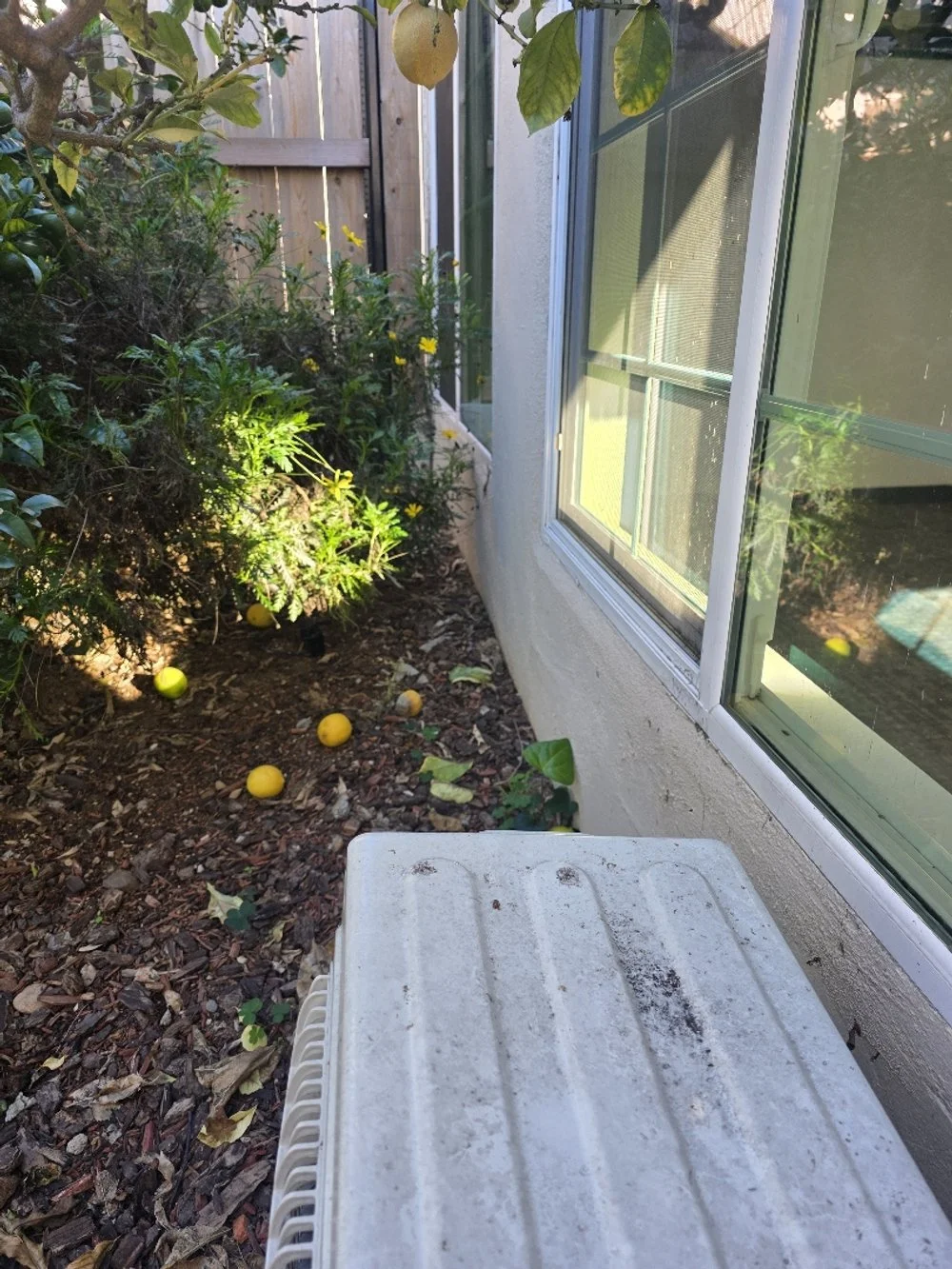
Here’s why that’s a problem:
Water follows gravity, and if the ground sits higher than your slab or floor level, it can push against the side of the house.
During heavy rains or even routine irrigation, moisture accumulates against the wall, especially if the siding or stucco runs below grade.
Over time, that moisture wicks into the framing, insulation, and drywall—leading to stains, musty smells, and even mold growth.
It doesn’t take a flood. It’s just slow, constant water pressure from the outside, often worsened by clogged drains, broken downspouts, or sloped concrete patios pushing water toward the house.
Signs to Watch For
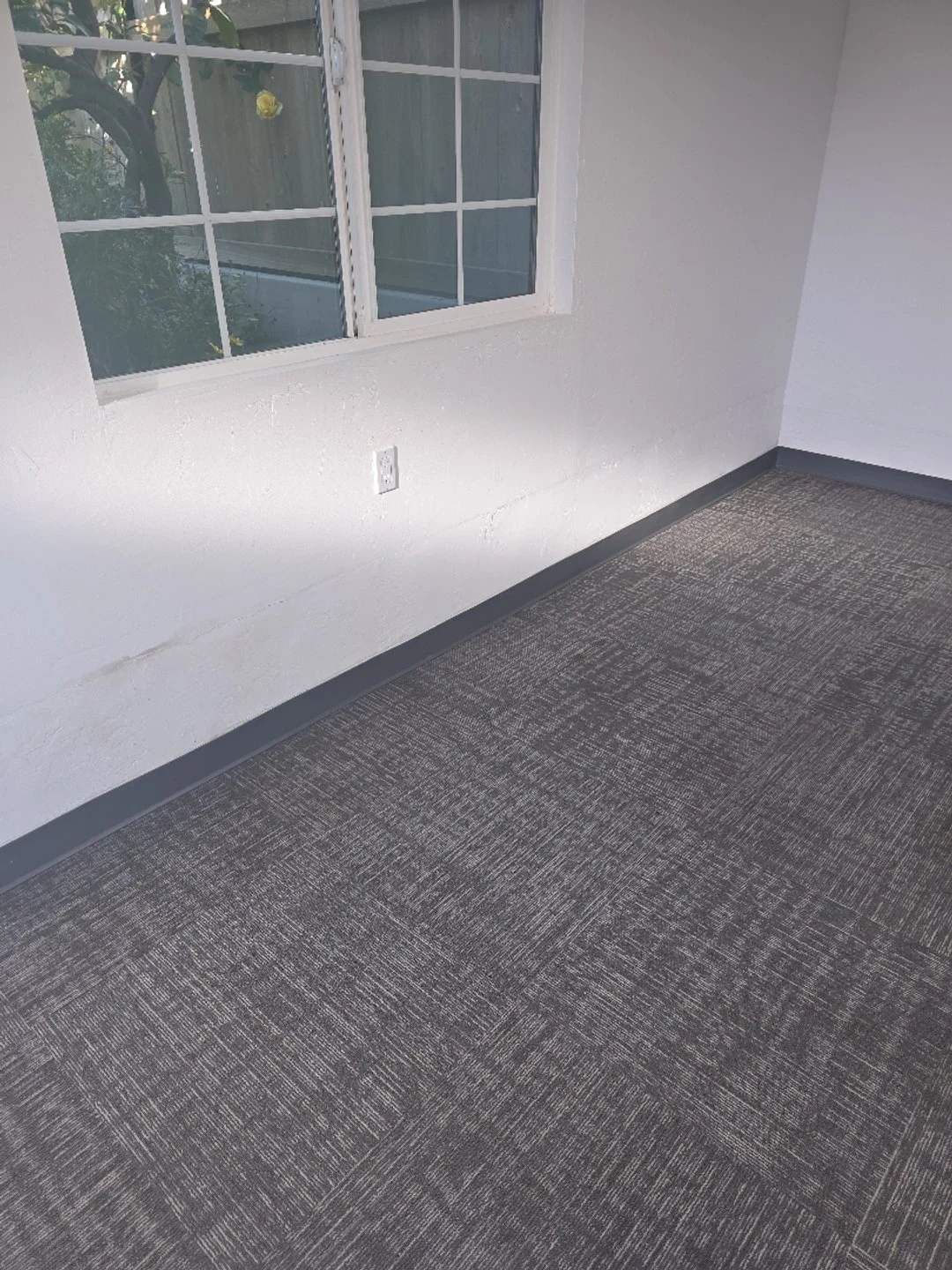
If you notice any of these symptoms near exterior walls, it might be a ground-level problem:
Water stains or bubbling paint low on a wall
Baseboards pulling away or swelling
Musty smell in one specific area
Drywall that feels soft or crumbles near the bottom
Visible line of mold or discoloration just above the floor
How We Address It
At HUGE Handyman, we don’t just fix the cosmetic issue—we trace the source and offer real solutions. In this case, that meant:
Confirming no plumbing was present or leaking
Opening up a small section of wall to verify intrusion points
Checking ground level, stucco terminations, and weep screeds
Recommending a grading correction and possibly a retaining solution
Drying out and replacing the affected framing and drywall
In more advanced cases, a French drain or waterproof membrane may be needed if the slope can’t be changed easily.
What to Do If You Suspect This
If your home was built on a slope or if you’ve added soil or hardscape near the house over the years, it’s worth checking the level. The International Residential Code recommends at least 6 inches of clearance between finished grade and siding, and a minimum slope away from the house.
If you’re not sure what to look for, we’ll gladly come out and inspect it. The sooner you catch it, the less damage you’ll deal with.
🛠️ The HUGE Handyman Difference
We treat water intrusion seriously. It’s not just patch and paint—it’s about finding where it’s coming from, whether that’s behind the tile, under the slab, or—like this one—right through the wall because of bad grading.
If something doesn’t seem right, reach out. We’ll assess the situation and give you real answers—not guesses.