the Final Step That Protects Your Tile Job: Sealing Grout & Joints
Once the tile is down and the grout is in, the job might look done—but there’s one crucial step left: sealing.
At HUGE Handyman, we always recommend sealing your grout lines and tile joints. It’s not just about looks — it’s about protection, longevity, and preserving your investment. Whether it’s a new shower, a kitchen backsplash, or a bathroom floor, sealing makes a big difference in how long that surface stays clean and intact.
What Happens if You Don’t Seal?
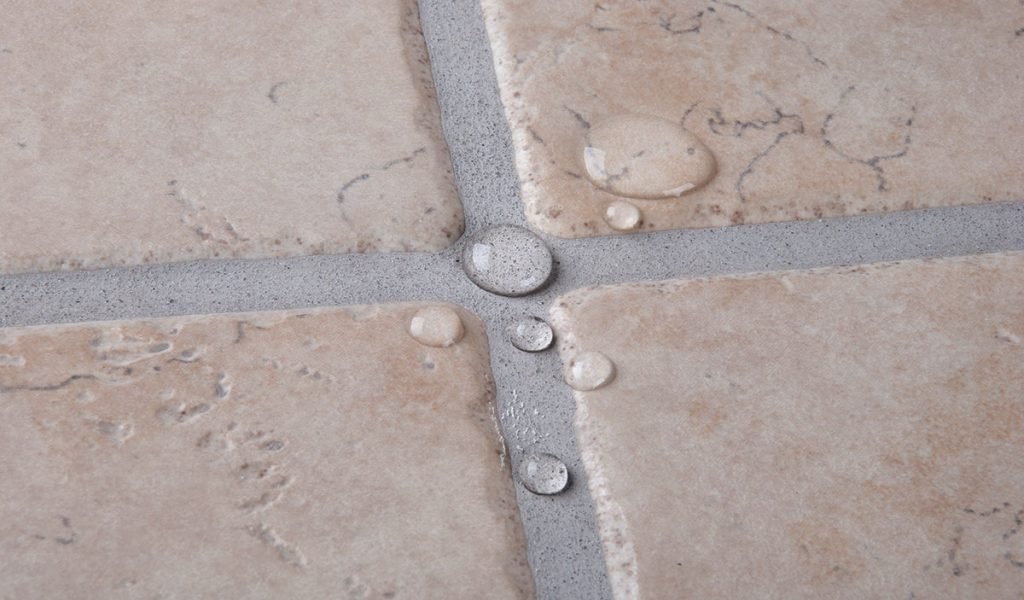
Grout is porous. That means water, grease, dirt, soap scum—even colored shampoos—can soak in over time. And once those stains set in, they’re tough to remove.
Here’s what you risk without sealing:
Permanent stains in grout and tile joints
Mildew or mold growth, especially in showers
Premature breakdown of grout, causing cracks or gaps
Water infiltration under tiles, leading to loose spots or damage
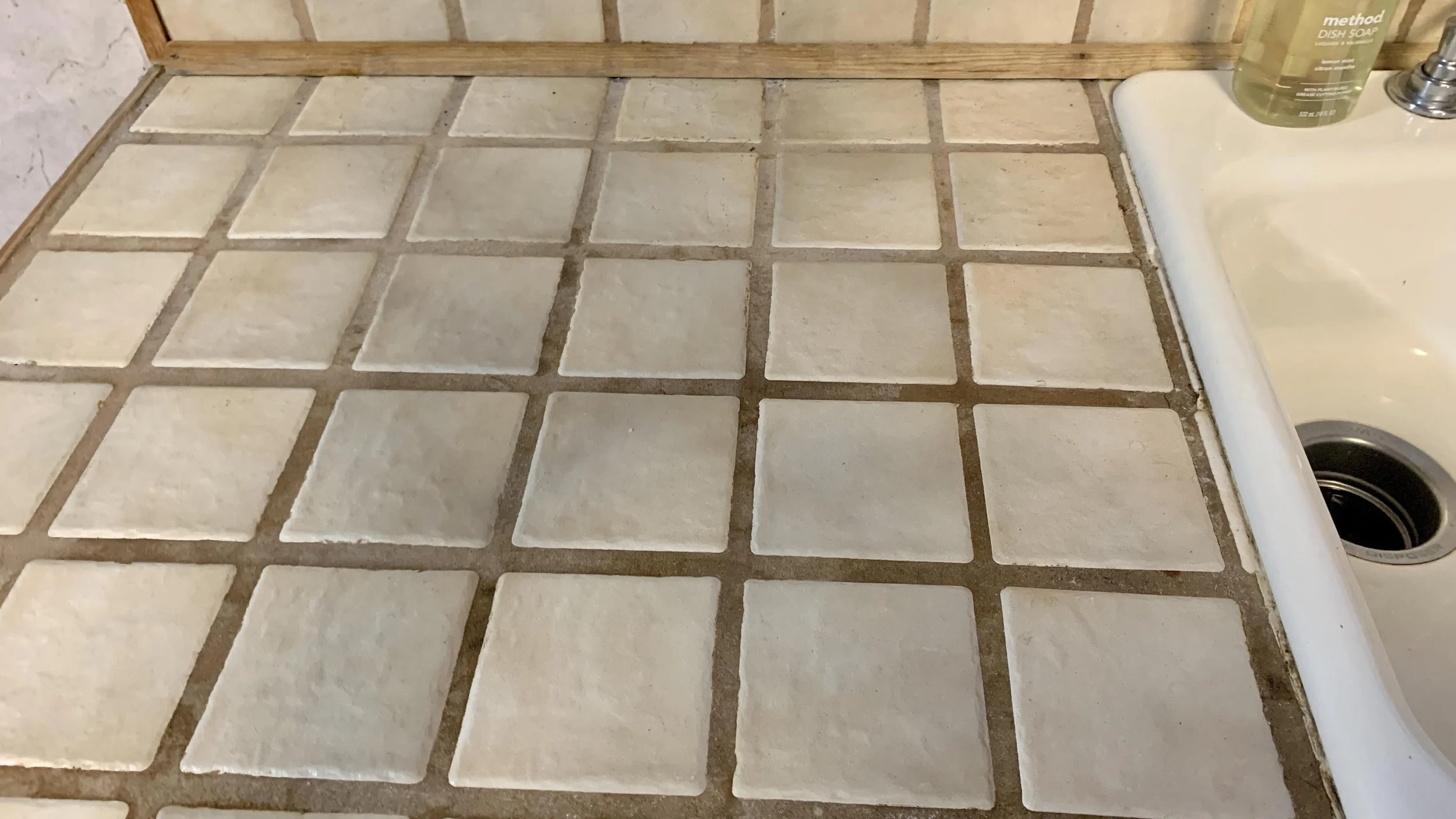
Unsealed grout acts like a sponge. It may look clean for the first few weeks, but over time, moisture and grime take over.
What Sealing Actually Does
A good sealer repels water, oil, and dirt without changing the look of the grout or tile. It creates an invisible barrier that allows your surfaces to breathe while still keeping gunk out.
At HUGE Handyman, we don’t just seal—we seal it right:
After the grout fully cures (usually 48–72 hours), we apply the sealer evenly.
We use a sponge or applicator to get deep into the joints without oversaturating the tile face.
After letting it soak, we buff off any excess before it hazes or dries.
For high-moisture areas like showers, we often apply two coats for extra protection.
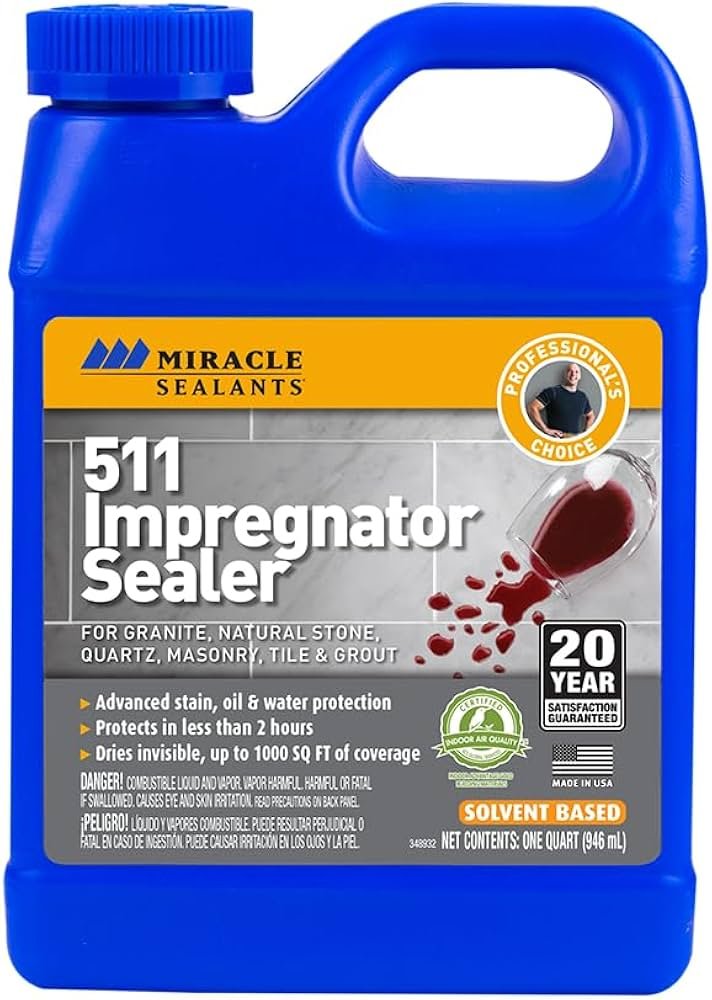
The Product We Use: 511 Impregnator
We’ve tested a lot of products, but 511 Impregnator by Miracle Sealants is our go-to. Why?
It’s penetrating, not just surface-level
Works on both grout and porous tiles (like marble, travertine, and natural stone)
Leaves no glossy film or change in appearance
Stands up to moisture, oils, and household chemicals
Rated for indoor and outdoor use
Clients love it because it doesn’t alter the look of their tile, and it helps everything stay cleaner, longer.
Where We Seal
We seal grout and joints in:
Showers and tub surrounds
Bathroom floors
Kitchen backsplashes
Laundry areas
Anywhere tile meets drywall, stone, or transitions
For caulked seams (like where tile meets a tub), we use mold-resistant silicone caulk — but for the grout lines, sealing is the key to preventing discoloration and deterioration.
The HUGE Handyman Difference
Sealing might not be the most glamorous part of the job, but it’s one of the most important. We don’t skip it. We don’t rush it. We use the right product, apply it right, and leave your space ready to last.
Because at HUGE Handyman, we don’t just install beautiful tile — we protect it.