
Why Finishing Your Fence Matters: Paint, Stain & Long-Term Protection
A brand-new wood fence might look great straight from install—but without the proper finish, it won’t stay that way for long. At HUGE Handyman, we always recommend painting or staining your fence within a few weeks of install to protect the wood and keep it looking sharp for years to come.
San Diego Weather Is Tough on Wood
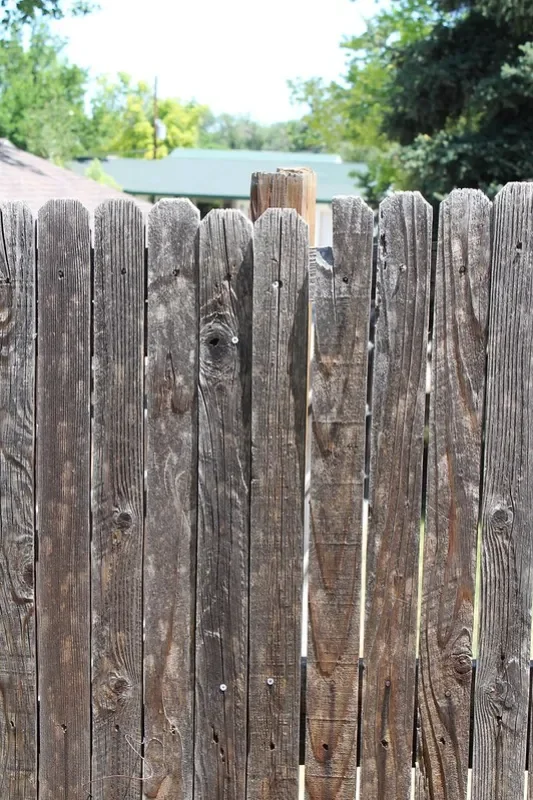
Between sun, moisture, and coastal air, untreated fencing takes a beating:
UV rays dry out wood, causing it to crack or gray quickly.
Rain and morning dew seep in, leading to warping, rot, and mildew.
Temperature swings cause expansion and contraction, opening gaps or nail pops.
Without a protective layer, wood starts to degrade in as little as 6 months—and once it starts, it’s hard to reverse.
Paint vs Stain: What’s the Difference?
Both are good options, but the choice depends on your goals.
Stain
Soaks into the wood grain
Highlights natural texture
Offers moisture resistance
Needs reapplication every few years (transparent stains more often)
Paint
Sits on top of the wood
Covers grain for a smooth look
Offers stronger UV protection
Can last longer but is harder to touch up
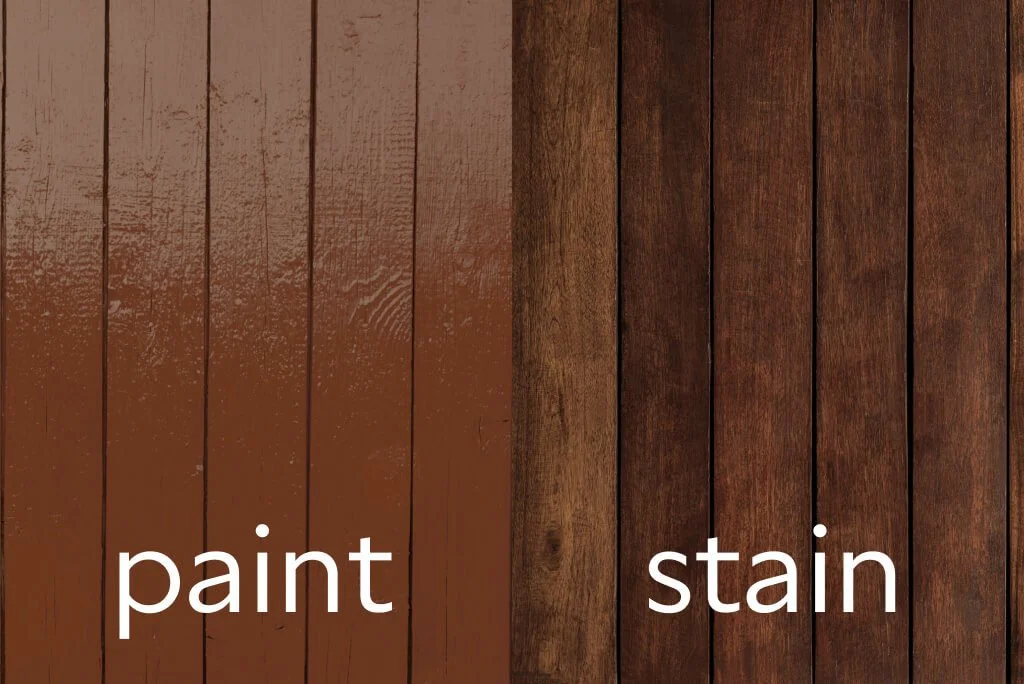
We recommend stain for most wood fencing, especially if you want to keep that natural wood look while still adding weather resistance.
Prep Work Is Everything
Before we apply anything, we make sure the fence is:
Dry and clean (power washed if needed)
Free of mildew or previous coatings
Nails or fasteners set below the surface
Wood moisture content checked (ideally below 15%)
This prep ensures a long-lasting bond and a smooth, even finish.
Pro Tip: Don’t Wait Too Long
Fresh pressure-treated lumber needs time to dry, but waiting too long invites damage before sealing. A good rule of thumb:
Wait 3–6 weeks, then seal if moisture levels are safe.
For kiln-dried or cedar fences, sealing can happen sooner.
The HUGE Handyman Difference
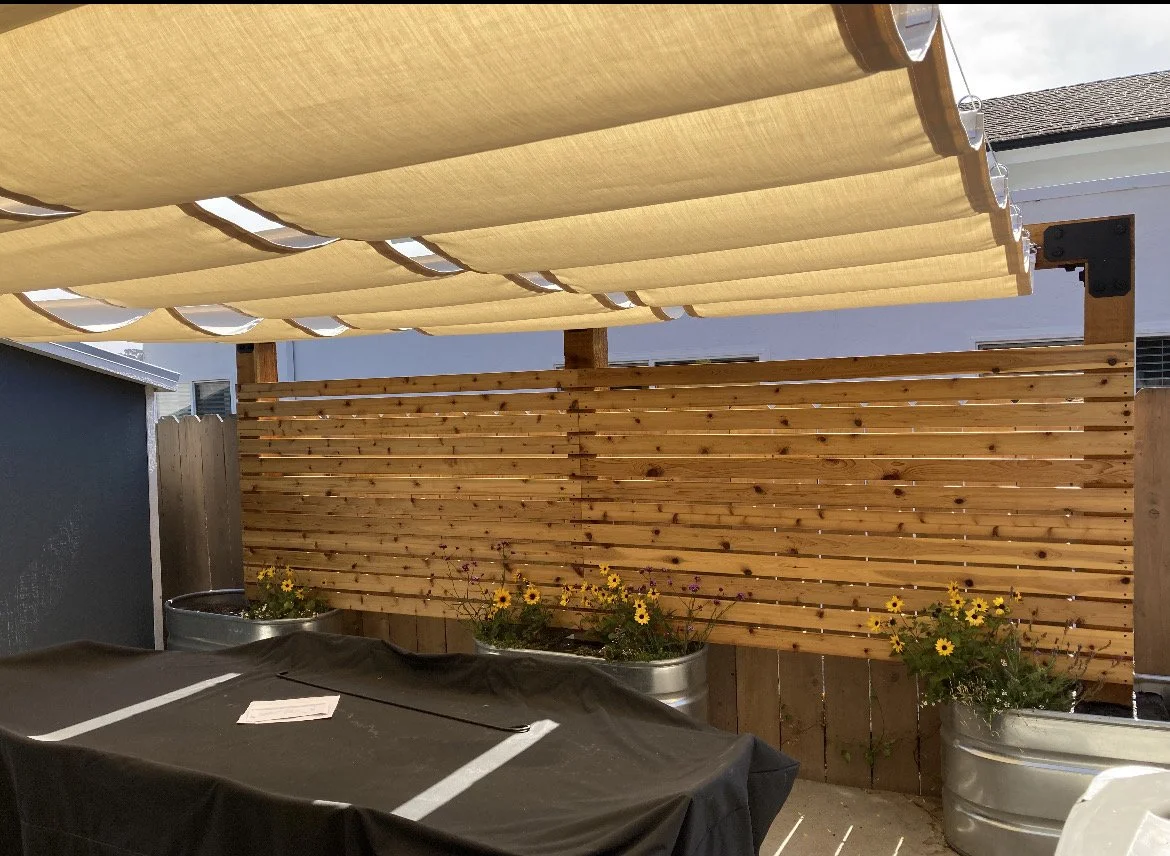
We don’t just build or repair fences — we protect them. Whether you’re staining a new cedar install or repainting a weathered perimeter fence, we’ll:
Help you choose the right finish
Do proper prep and application
Make sure it lasts — and looks good doing it
Because a fence is more than a border — it’s part of your home’s first impression.