
GFCI Outlets: What They Do and Where You Actually Need Them
GFCI outlets are one of those things most people don’t think about… until something stops working or an outlet starts “randomly” tripping.
They’re small, simple, and easy to overlook — but they’re also one of the most important safety upgrades in a home.
Here’s what they do, why they matter, and where you actually need them.
What a GFCI outlet does
A GFCI outlet is designed to shut off power quickly if it detects an electrical imbalance. In plain English, it helps prevent serious shock in areas where electricity and water can mix.
That’s why they have the “test” and “reset” buttons built in.
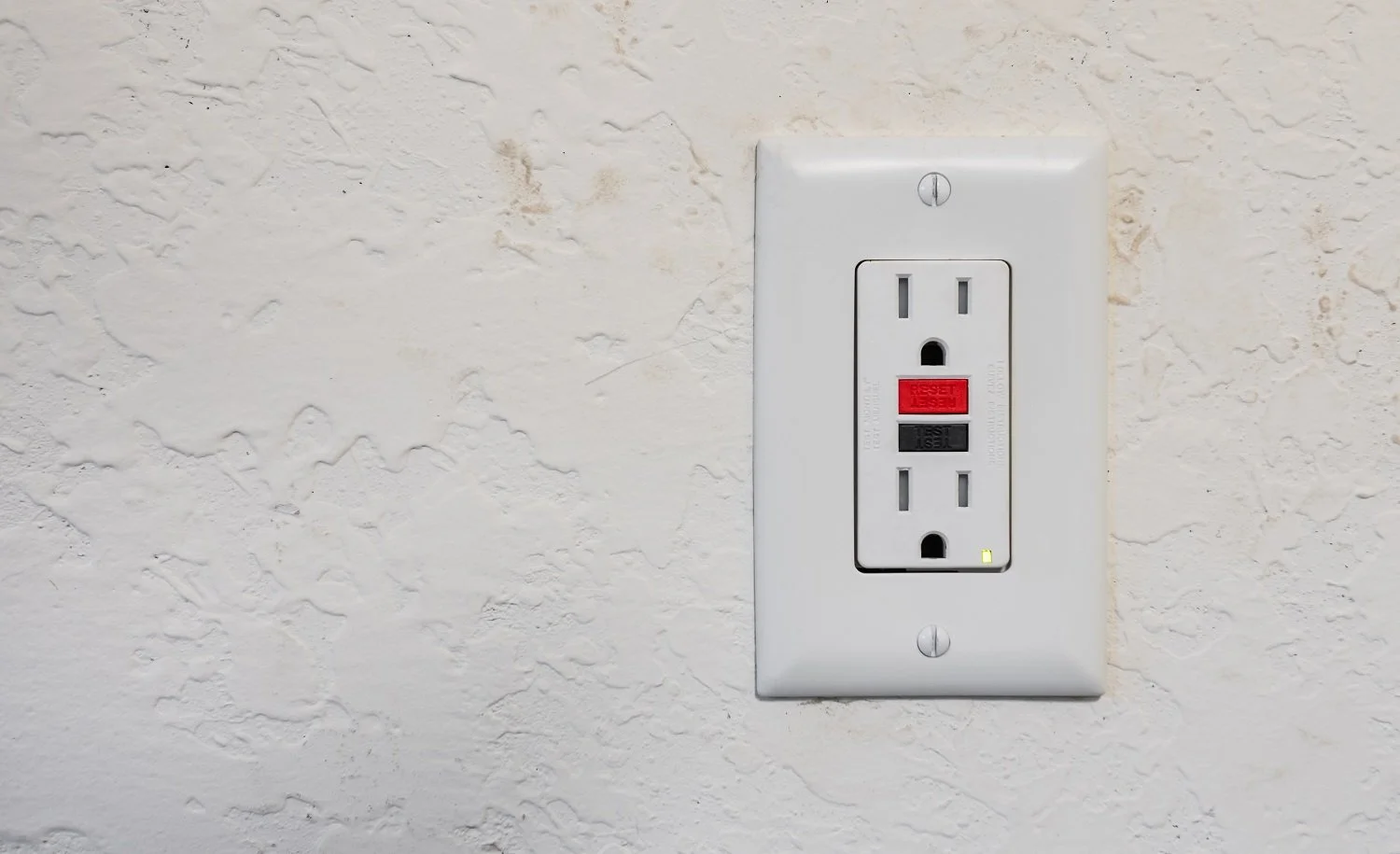

Where GFCIs are most important
In most homes, GFCIs are needed anywhere there’s moisture risk. Bathrooms, kitchens, garages, laundry areas, and exterior outlets are the most common. These are the places where we see the most issues during turnovers and homeowner repairs.
Why people think an outlet is “bad” when it’s actually a GFCI
Sometimes a bathroom outlet stops working, and the real cause is a tripped GFCI somewhere else — like the garage or kitchen. One tripped GFCI can cut power to multiple outlets downstream, which makes it feel like “the house has an electrical problem” when it’s actually one safety device doing its job.
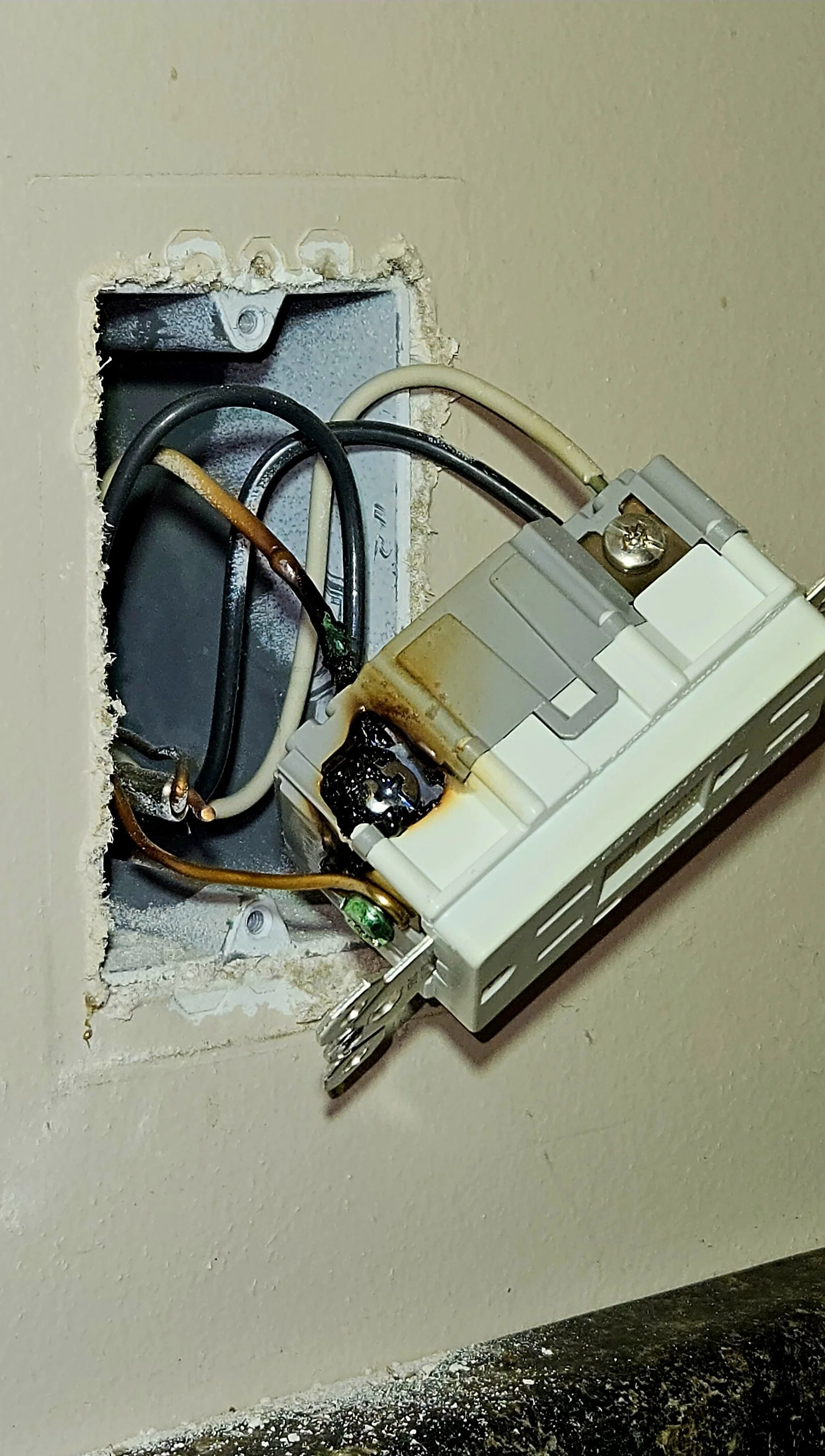
When it becomes a real problem
If a GFCI trips repeatedly, won’t reset, feels loose, or has burn marks, that’s not something to ignore. It can indicate moisture getting in, a wiring issue, or a failing outlet. These are the situations where it’s smart to have it inspected and corrected instead of constantly resetting it.
If you’re not sure whether your outlets are protected correctly, or you have one that keeps tripping, HUGE Handyman can help. We’ll make sure it’s safe, installed cleanly, and working the way it should.