The Importance of Backer Board in Wet Areas
You’ve heard the saying: “It’s what’s underneath that counts.” That’s never more true than when it comes to tile in bathrooms, showers, and kitchens.
At HUGE Handyman, one of the most important steps we take before tile even goes up is installing the right backer board. It might not be glamorous, but it’s what keeps your shower lasting 15+ years instead of failing in 3.
🛁 What Is Backer Board?
Backer board (also known as cement board or tile underlayment) is the foundation layer that goes behind tile in wet areas. It's moisture-resistant, extremely rigid, and designed to support tile adhesion while protecting framing and drywall.
There are a few types:
Cement board (like HardieBacker) – Most common, water-resistant
Foam board (Schluter Kerdi-Board) – Lightweight and 100% waterproof
Fiber-Foam hybrid boards (Like GoBoard) – Easy to cut but require sealing
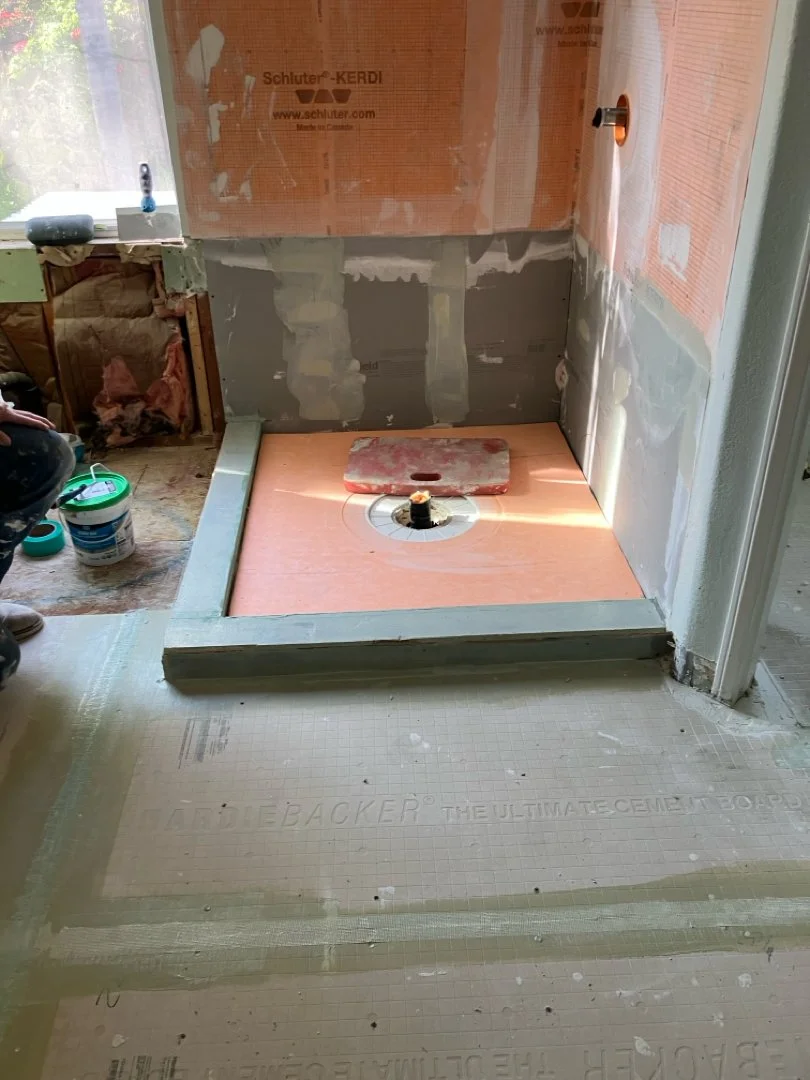
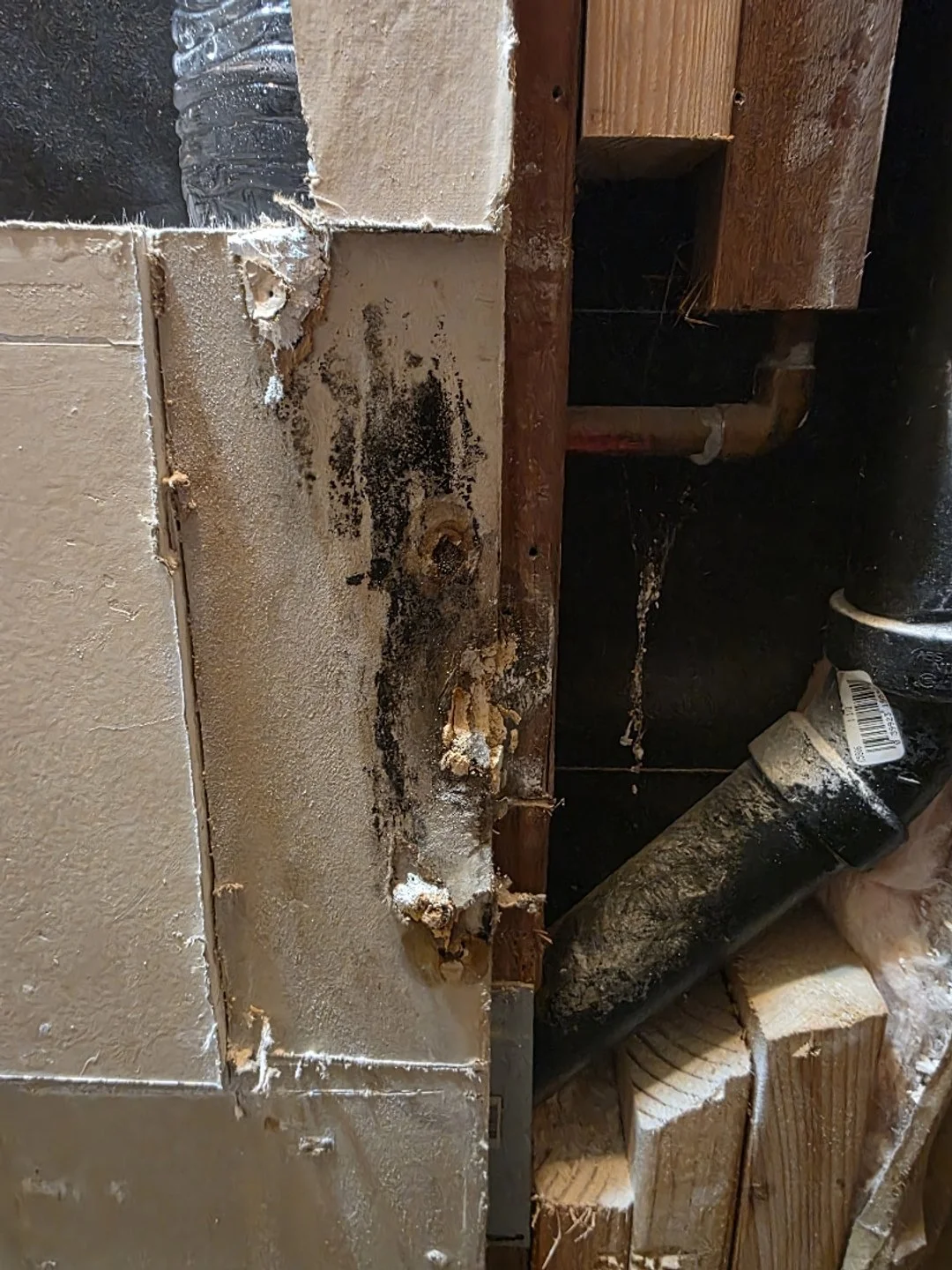
💦 Why It’s So Important
Without the right backer board, you're tiling directly over drywall or greenboard, both of which absorb water over time—even if your grout is sealed.
Backer board:
Prevents mold and rot
Increases structural support for tile
Gives a flat, stable surface
Extends the life of the tile installation
Helps avoid future repairs or tear-outs
🧱 What We Do Differently
We don’t just install backer board—we do it properly:
Gap the seams
Thinset underneath (if required)
Waterproof joints with mesh tape or membrane
Add extra fasteners for strength
Ensure everything is plumb, level, and solid
It's this prep work that makes the final result last.
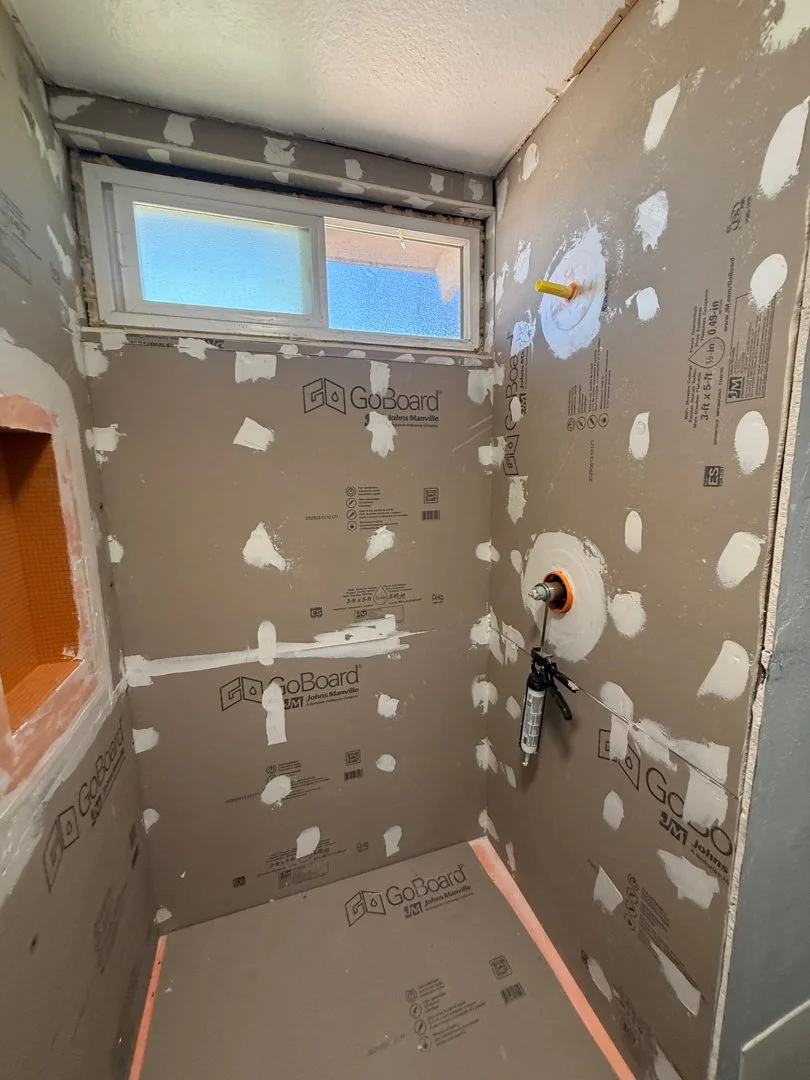
🧠 Final Thought: It's the Stuff You Don't See That Matters Most
Great tile work starts before the first piece of tile is laid. At HUGE Handyman, we make sure every layer—from the studs to the grout—is done right. Because in a bathroom, cutting corners means future leaks. And we don’t do callbacks—we do it right the first time.