Why Wall Anchors Matter (and When They’re Non-Negotiable)
Why Wall Anchors Matter
Not every screw can go into a stud. And when it doesn’t, the only thing between a clean install and a future repair call is a good wall anchor.
At HUGE Handyman, we don’t trust plastic anchors from a dollar bin. We use the right anchor for the weight, material, and application—because that’s the only way to do it safely.
What Wall Anchors Actually Do
A wall anchor is designed to:
Spread weight across the surface
Prevent the screw from pulling out
Keep fixtures tight to the wall over time
Work in drywall, tile, concrete, or plaster
They're essential when you’re not hitting a stud, which happens all the time on real-world installs.
What Happens Without One
We’ve seen it before:
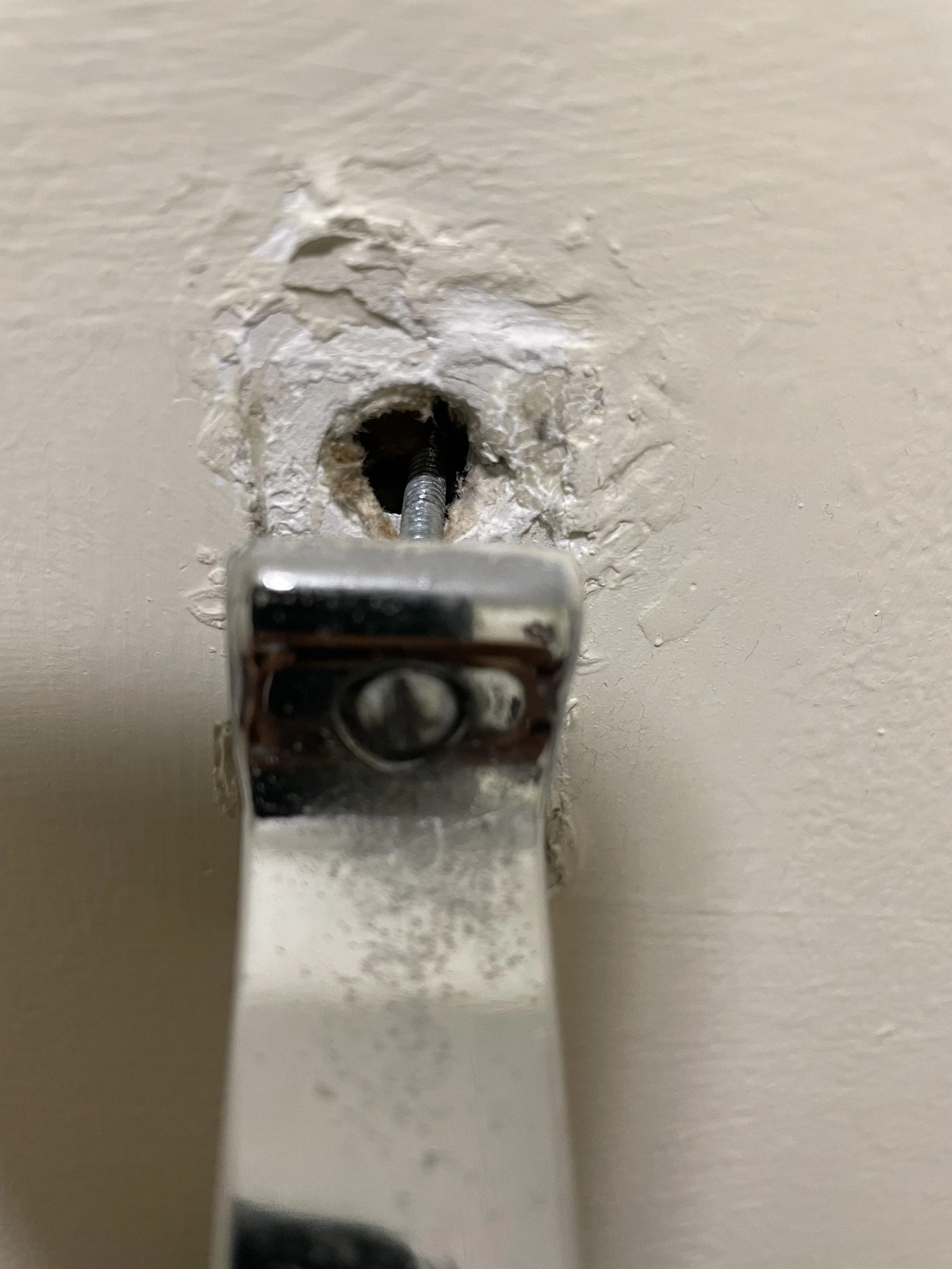
Towel bars that rip out of drywall
Floating shelves leaning or collapsed
Heavy mirrors cracking the wall behind them
Anchors spinning loose or popping out from vibration
It’s not always immediate—but failure is almost guaranteed over time if the anchor isn’t matched to the job.
Types of Anchors We Use
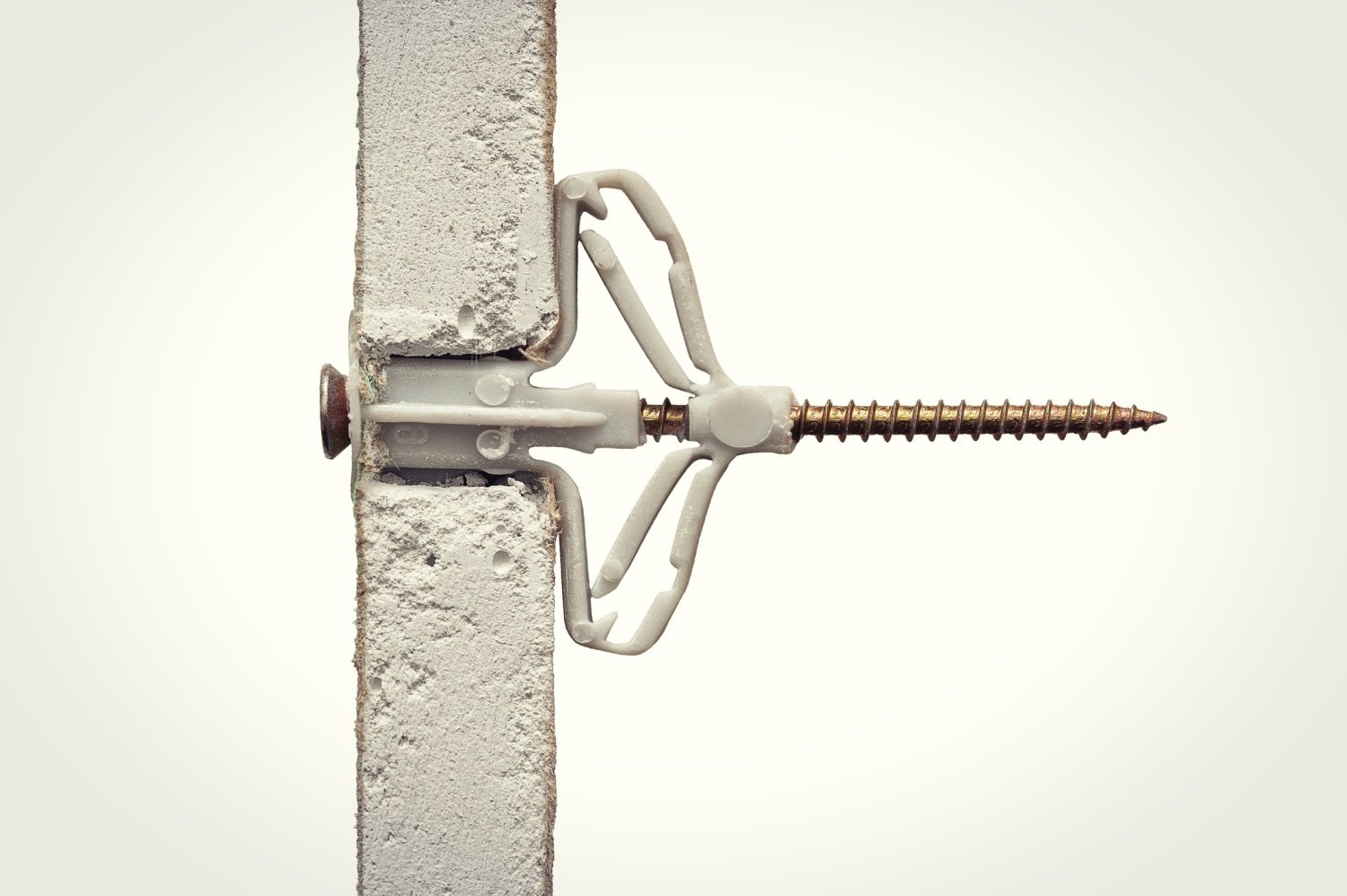
Toggle Bolts & Snap toggles – For heavy-duty shelves, TV brackets, etc.
Wing Anchors – For hollow walls or drywall with light-to-medium weight
Masonry Anchors – For tile, brick, or concrete
Specialty Anchors – For tile walls in bathrooms, or plaster in old homes
We carry a full set and match the anchor to the wall type and expected load—not just what’s convenient.

Final Thought: It's the Small Things That Hold It All Up
Wall anchors might seem like a small detail, but they’re what keep everything up—literally. At HUGE Handyman, we don’t just hang it. We hang it to last.