
How to Maximize Your Water Damage Insurance Claim — the Right Way
Step 1: Document Everything — Immediately
As soon as you spot water damage, start documenting. Take clear, timestamped photos and videos of everything:
The source of the water (if known)
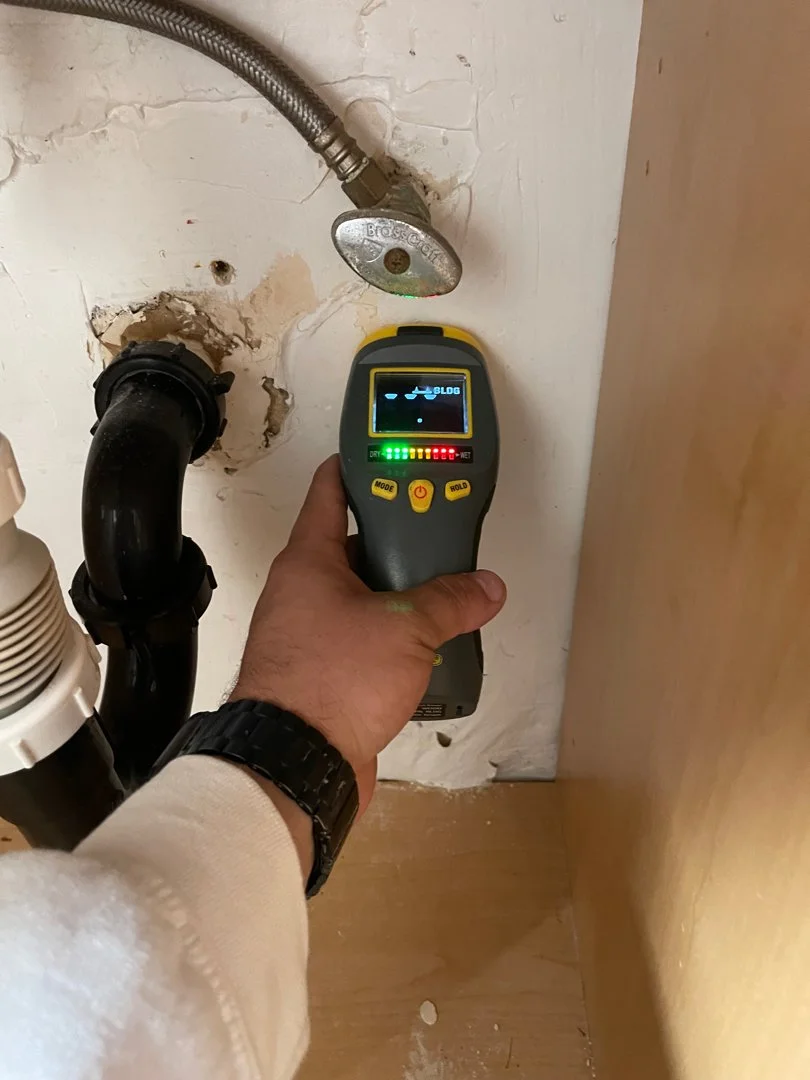
All visible damage — walls, floors, ceilings, furniture, cabinets, etc.
Any standing water or soaked materials
Don’t clean up until you’ve documented the before condition. Insurers want proof.
Step 2: Contact Your Insurance — and Be Clear
Call your homeowners insurance provider ASAP. Use language like:
“We’ve experienced a sudden water intrusion event that caused damage to the property.”
Avoid using words like “flood” unless it’s truly a natural flood (insurance handles that differently and often isn’t covered under standard policies).
Request to file a claim and get a claim number. Keep records of who you spoke to and what they said.
Step 3: Don’t Throw Anything Away
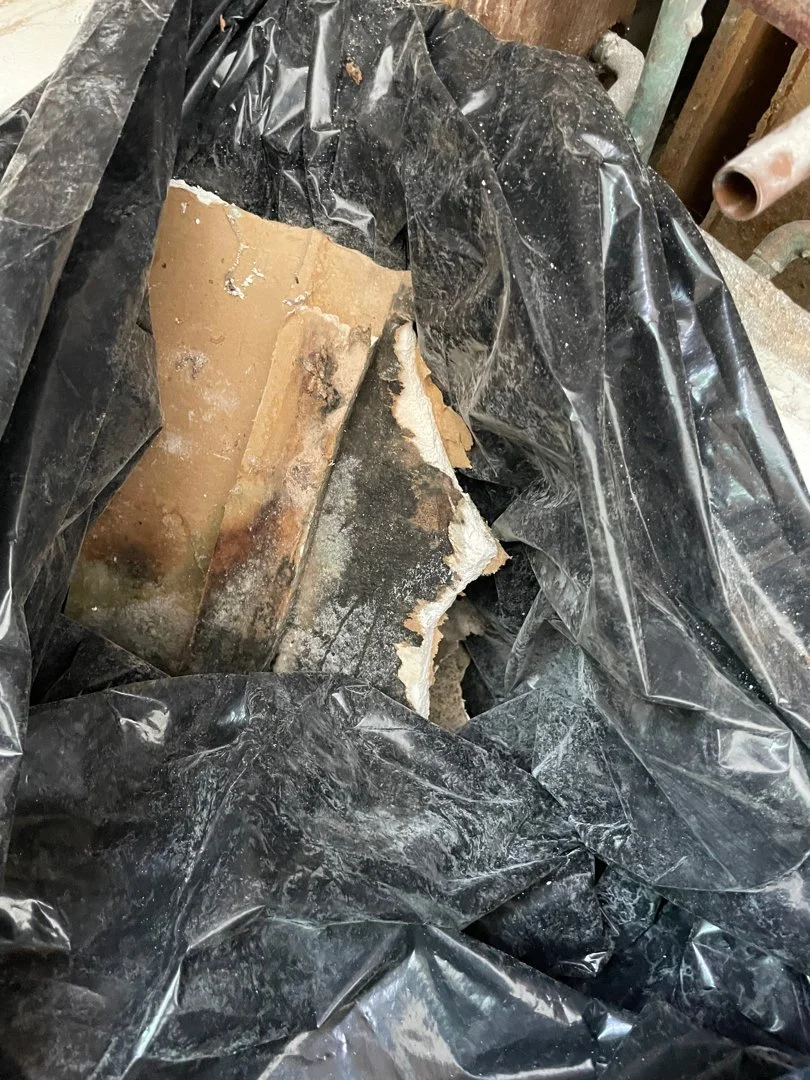
Even if it’s trash, don’t dispose of damaged items until the adjuster has seen them. This includes:
Wet drywall or flooring
Moldy baseboards
Damaged furniture
You want to make it easy for the adjuster to validate your loss.
Step 4: Get a Professional Assessment
Bring in a licensed contractor (like HUGE Handyman ) to:
Assess the extent of the damage
Document what’s structural, what’s cosmetic, and what needs replacement
Provide a written estimate with line-item details and photos
Insurance adjusters often miss hidden damage — especially moisture behind walls, damaged subfloor, or compromised framing. A pro’s documentation backs up your claim.
Step 5: Be Ready to Justify Costs
If you're submitting a quote or invoice, it helps to itemize labor and material. Claims that are vague or lump-sum may get denied or reduced.
Use wording that supports coverage, like:
"Remove and replace water-damaged drywall and insulation"
"Replace water-damaged baseboard and shoe molding"
"Install new moisture barrier"
Bonus Tip: Don’t Accept the First Offer
Insurance companies often start low. If their settlement doesn't cover the full repair, submit a supplemental claim with the contractor’s breakdown.
Final Thoughts
Getting the most from your insurance company doesn’t mean exaggerating your claim — it means documenting properly, communicating clearly, and hiring professionals who understand the process. At HUGE Handyman, we’ve helped dozens of clients through this and can support you from assessment to repair.